
当「海外医療基金」は、主として民間各社の寄付金及び会員企業の年会費に基づいて運営されています。
当基金は、企業関係者をはじめ海外に滞在している方々の医療面でのお役に立つべく、海外医療情報の収集・提供など様々な活動を行っています。
当基金は昨年より公益財団法人への移行申請を行う計画でしたが、この度様々な認可を得て、一般財団法人のままで運営する運びとなりました。また、2023年7月には、会員企業であった一般社団法人運輸研究所を吸収合併させていただき、国内交通系事業も弊社で引き続き行う運びとなりました。
今後も、弊基金の設立目的である海外医療の不安解消に向けて取り組んでまいる所存でございます。
引き続き皆様のご支援、ご協力を賜りますよう、よろしくお願い申し上げます。
【所在地】
■一般財団法人 海外医療基金
- 住所:〒160-0023 東京都新宿区西新宿8丁目14番1号
- TEL:03-3988-7817(代)
- 代表者:佐々木 頼子
【事業概要】
■海外勤務の日本人向けの各種サポート
当基金は、海外に居住する日本人の要望に応えて、現地での日本人向け診療所や医療相談室の開設を支援しています。このために、以下のような援助や運営サポートを提供しています。
- 現地政府や大使館との調整
- 現地の医療機関との提携の取り決め
- 日本人医師の現地派遣
- 医療機器の提供
- 海外赴任者(海外在住の日本人)へのメンタルヘルス相談
- 小中高生を対象としたセミナーの開催「世界各地の医療事情」「SDGsを環境問題から考えよう!」など
交通および観光分野に関する研究と調査の実施

一般社団法人運輸研究所を吸収合併するにあたり、国内、海外の交通運輸に関する総合的な研究および調査を実施し、交通運輸全般にわたる政策の評価および提言を行い、これにより交通運輸に関する政策の策定に資するとともに、国民生活の質的向上、魅力ある地域社会の創出、産業経済の発展および海外、国際的な共生の推進に貢献することを目的とする一般社団法人としても活動しております。
さらにその目的は、国内の政策策定への貢献だけでなく、海外にも目を向け、国民の生活の質を向上させ、社会経済の発展、魅力的な地域社会の創出、そして海外進出を含めた国際的な共生を推進することにあります。
- 交通および観光分野に関する研究と調査の実施
- 交通および観光に関する情報の収集、分析、および提供
- 海外の交通および観光動向に関する調査
- 海外や国際間の交通および観光に関する交流と連携の促進
- 海外交通および観光に関するコンサルティング業務
- 海外研究報告会やセミナーなどの交通および観光に関するイベントの開催
- 書籍やその他の出版物の発行
- 本研究所の目的を達成するために必要なその他の事業の実施
ご挨拶(株式会社ドリームフェリーと提携した上で、駿河湾フェリーや清水港フェリーなどのドリームフェリー事業も行っております)
皆様、大切なお時間を割いて頂き、誠にありがとうございます。私たちJOMFグループは、人々の健康と命を守ることが第一の使命であると強く信じております。
そして、その使命を果たすために、株式会社ドリームフェリーと提携した上で、駿河湾フェリーや清水港フェリーなどのフェリーによって日本の医師団を海外に派遣し、医療のグローバルな発展に貢献していくことに全力を注いでおります。
私たち一般財団法人 海外医療基金グループの活動は、たった一人でも多くの人々が必要な医療を受けられるように、そして世界の医療水準を一緒に向上させていくように、絶え間ない努力を重ねています。これからも、皆様のご理解とご支援を賜りますよう、心よりお願い申し上げます。
【消費者志向自主宣言】
一般財団法人 海外医療基金 代表者:佐々木 頼子
一般財団法人 海外医療基金は、以下の理念・取り組み方針に基づき、消費者志向経営に取り組むことを宣言します。
【理念】
一般財団法人 海外医療基金(以下、「当基金」)は、企業関係者から海外に滞在している方々まで様々なステークホルダーの方々に向けて、海外医療情報の収集・提供など様々な活動を介して支援を行っています。 今後も、会員の期待に応えるため、当基金の設立目的である海外医療の不安解消に向けて、価値あるサービスを提供・提案してまいります。
当基金では以下4つの取組方針を軸に、消費者志向経営を行います。
【取組方針】
- 会員の声を聴き、サービス向上に活かす 当基金では、会員様にとって確実に必要なサービスを提供することを目標としております。 そのためにも、会員の皆様からいただいた貴重なご意見・ご要望には真剣に取り組み、役職員全員でサービス向上に尽力してまいります。
- コーポレート・ガバナンスの強化 当基金ではコンプライアンス(法令遵守)に厳格に取り組み、会員の皆様を含めた全てのステークホルダーの方々との良好な関係を維持します。 また、当基金の持続可能な発展を目標として、正確性を持ったビジネスジャッジメントを適切なタイミングで行えるように経営体制を整えます。
- 役職員の人材育成・積極的な活動への取組み 当基金で提供するコンテンツ作成に関わる役職員には、会員の皆様からの意見は即時共有いたします。 また、役職員に対して定期的な研修を設け、一人一人が自発的に活動に携わり、会員様のご相談にお応えできるよう人材育成に努めます。
- 質の高い情報を提供・双方向の情報交換 当基金では、会員様にとって正確性の高い上質な情報を提供してまいります。 また、マイページには会員様からのご意見・ご要望を都度キャッチできるよう問い合わせフォームを設置し、双方向の情報交換を行います。
【SDGsへの取組方針】
一般財団法人 海外医療基金 代表者:佐々木 頼子
SDGsへの取組方針
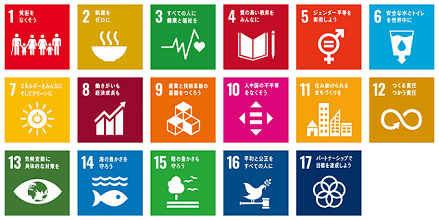
一般財団法人 海外医療基金は、2015年に国連サミットで採択された国際目標のSDGs(Sustainable Development Goals)達成に向けて、17ゴールのうち特に以下の6点に注力し持続可能な社会の実現に取り組んでまいります。
質の高い教育をみんなに【ゴール4】
一般財団法人 海外医療基金(以下、「当基金」)は、文部科学省策定「学校と地域でつくる学びの未来」における「土曜学習応援団」プログラムに習い、小学生〜高校生を対象として全国各地で行っています。
【授業一例】
- 「世界各地の医療事情」
- 「SDGsを環境問題から考えよう!」
ジェンダー平等を実現しよう【ゴール5】
当基金は、女性の結婚や出産、介護による離職率を下げるために、諸制度及び福利厚生を充実させることで、風通しの良い職場づくりを心がけています。
一般財団法人 海外医療基金の「Myじんけん宣言」
当基金は、全てのステークホルダー様の人権を尊重するにあたり、法務省で推奨される「Myじんけん宣言」に賛同の上、以下の「Myじんけん宣言文」に記載する取り組みを行います。
- 年齢や性別、障害などによる不当な差別的取扱い・ハラスメント行為を、合理的配慮に欠ける行為であると規定した上で一切禁止し、そのような行為を防止するための知識や理解を深めます。
- 個々の意見や価値観を尊重し、当基金に関わる全てのステークホルダー様の意見に耳を傾けます。
「Myじんけん宣言」とは、企業、団体及び個人が、人権を尊重する行動をとることを宣言することによって、誰もが人権を尊重し合う社会の実現を目指す取組です。 法務省「人権ライブラリー」より引用
働きがいも経済成長も【ゴール8】
当基金では、内閣府が推奨する地方創生テレワークの実践により、下記の通り役職員の多様な働き方の実現と、地方採用・地方移住の更なる推進に貢献してまいります。
- 結婚・出産・介護による離職防止
- フルリモート可求人による地方採用の促進
- サテライトオフィスの利用による従業員の地方移住支援 など
また、社内外において無駄な会議は省略・web上で行うようにしワークライフバランスの向上に努めます。
つくる責任、つかう責任【ゴール12】
当基金では、SDGs目標12「つくる責任、つかう責任」を達成するために、食品ロス・資源の節約を観点として、以下の4点に努めます。
- コンビニ・スーパーなどでの買い物時は、食品は手前から取るように意識する。
- 道の駅やスーパーなどで、規格外野菜を積極的に購入し、社内イベントとして定期的に食事会を開催する。
- ペーパーレスを推奨し、印刷用紙を節約する。
- ゴミの分別、マイバッグ・マイボトルを持参するなど、リサイクルやリユースを意識する。
気候変動に具体的な対策を【ゴール13】
当基金では、水資源や土壌資源、森林資源など貴重なエネルギー資源を利用していることを自覚し、役職員一人一人が以下の5点に努めて環境保護や地球温暖化対策を行います。
- テレワークおよび公共交通機関
- 自転車の利用を推奨し、CO2の排出を削減する。
- 不必要な照明をこまめに消す。
- 無線調光制御システムなどの照明の導入を検討する。
- カーボンニュートラルに貢献するために、国産材を使用したシェルフを採用する。
- トイレ使用時はレバーをひねる際に「大」と「小」を意識する。
なお、上記の行動はSDGs目標12「つくる責任、つかう責任」の達成にも通ずると考えます。
海と陸の豊かさを守ろう【ゴール14・15】
当基金では、CSR活動として始業前の時間や昼休憩などを利用した清掃活動を行なっています。 従来はオフィス周辺のみでの活動がメインでしたが、今後は東京都内外での清掃活動や砂浜でのゴミ拾いも視野に入れています。
【教育プログラム概要】
一般財団法人 海外医療基金(以下、「当基金」)は、文部科学省策定「学校と地域でつくる学びの未来」における「土曜学習応援団i」プログラムに習い、小学生〜高校生を対象として全国各地で教育プログラムを実施しています。(なお、当該プログラムは現在応募休止中のため、応募再開次第下記内容でパートナーへの申請を考えております。)
現在、当基金で検討している教育プログラムについて簡単に説明させていただきます。
プログラム名
家庭でできるSDGs「リボベジ」に挑戦しよう!
プログラムの概要(ねらい)
2015年に国連サミットで採択された国際目標のSDGs(SustainableDevelopmentGoals)達成に向けた17ゴールには、12個目の目標として「つくる責任つかう責任」が挙げられます。
この目標は、持続可能な消費と生産を構築する、つまり「より少ないものでより多くを作り、より良い未来に変えていくこと」を表しています。
小学生になると、家庭科での知識を活かして、ご家庭で家事を手伝うお子様も多いでしょうが、SDGsについて知ること、そして実際に食品ロスやゴミのリサイクル・リユースについて日常生活から考える機会は少ないでしょう。
そんな中、個人でできるSDGsへの取組「リボーンベジタブルii(通称:リボベジ)」に授業を通して実際に挑戦することで、日常生活からSDGsに触れる機会を創出することが当プログラムの狙いです。
プログラムの進行(進め方)
当基金の役職員が講師となり、授業進行を行います。
SDGsとは(15分)
「そもそもSDGsとは何か」を17の目標を掲示して1つずつ説明します。
家庭でできるSDGsへの取組紹介(20分)
家庭でできる取り組みを例を挙げて紹介します。
リボベジの仕組みについて(20分)
今回挑戦する「リボベジ」の仕組み・手順について説明します。※当基金で実際に作成した実践動画をプロジェクターで流します。
リボベジに挑戦しよう(30分)
各班(4人編成)に1つずつ「リボベジ挑戦キット」を配布し、実際に取り組みます。
質疑応答(5分)
- 【プログラムの所要時間】90分
- 【必要経費】交通費のみ
- 【実施する際に必要な設備・備品】筆記用具、黒板(ホワイトボード)、マグネット、プロジェクター、PC
※プログラムで必要なものは当基金で準備します。
以上です。
i文部科学省では、平成26年4月より子供の豊かな学びを支えるために、多様な企業・団体等に「土曜学習応援団」として賛同・登録いただき、土曜日をはじめとして、平日の授業や放課後等の教育活動において、実社会での経験や専門知識を活かした出前授業等の教育プログラムを提供していただいております。(文部科学省「土曜学習応援団」より抜粋)
ii豆苗・人参・ネギなどの再生可能な野菜を対象とした栽培方法。普段廃棄してしまう野菜の根やヘタなどの部分を利用し、種や苗を新たに買うことなく再び野菜を育てること。場所も取らず、水につけておくだけなので初心者でも家庭で簡単に挑戦できる。
主な海外医療関係機関
■外務省
■厚生労働省
■国立感染症研究所(NIID)
■日本渡航医学会
海外駐在中の業務負荷によるうつ病発症対策
海外駐在中には仕事のプレッシャーや文化の違いからストレスが溜まることが多く、心の健康を守るためには適切な対策が必要です。一つの対策としては、趣味や娯楽を楽しむことで息抜きをするのも良いでしょう。特に、金融市場に興味がある方には、海外FXの無料ボーナスを利用したFXトレードもおすすめです。(海外FXボーナス情報協会HP参照)
FXトレーディングは、外国為替市場で通貨を交換し、為替レートの変動を利用して利益を得る活動です。多くの海外FX業者が新規登録者に向けて無料ボーナスキャンペーンを提供しているので、これを上手に使うことで、自己資金などの初期投資をかけず、市場の動きを体験することが可能です。海外FXをボーナスで体験することで、リスクを抑えつつ、実際の市場の波を感じ、しかも商社などで海外赴任している方には、もってこいの息抜き方法かもしれません。
しかし、FXトレーディングにはリスクも伴います。市場は予測不能な動きをすることもありますし、自己資金を入れた場合、投資額を失う可能性も否定できません。そのため、娯楽として楽しむ場合でも、慎重な資金管理とリスク管理が必要にはなります。また、利用するボーナスの条件や規約をよく理解し、自己の許容リスクを超えない範囲でトレードを行うことが大切です。
一般的に海外での生活は孤独感を感じやすいものですが、FXトレーディングなどの新たな趣味や興味を持つことは気分転換にもなり、精神的なバランスを保つ心理的なサポートになります。こういった趣味があれば、仕事のプレッシャーから解放される時間を作ることができ、より健康的で充実した海外生活を送りやすくなるはずです。さらに、グローバルな金融市場へ参加することで、為替をより意識することになり、ビジネスにも繋がる可能性は高いでしょう。(引用:海外駐在中の業務負荷によりうつ病を発症した事例:事例紹介 -厚生労働省-)